
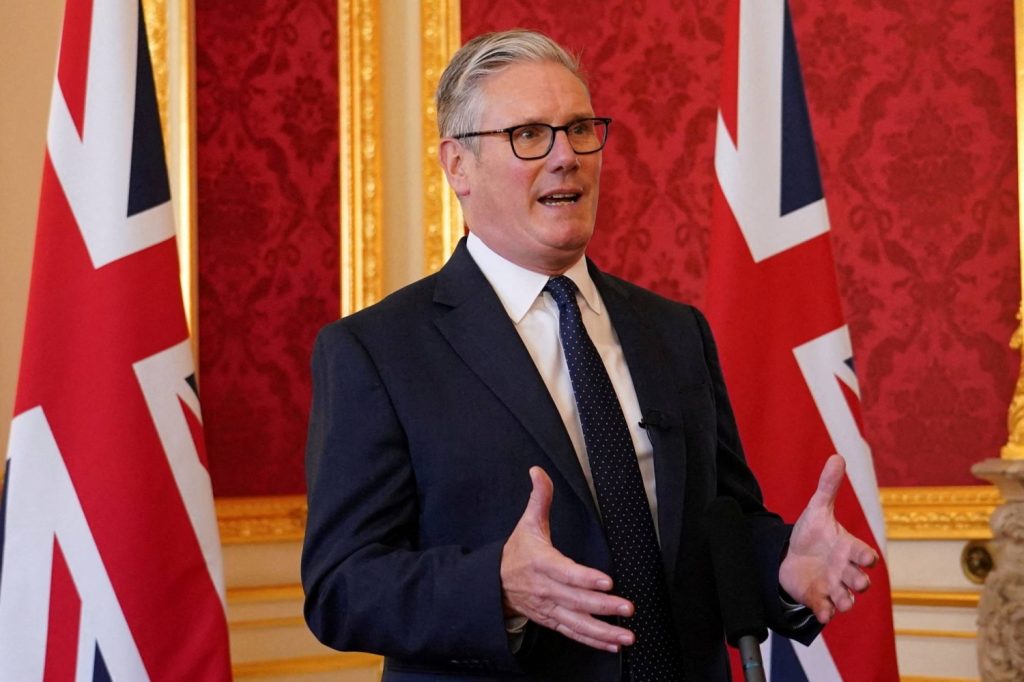
The outcome of the recent local elections held across the United Kingdom was a verdict of the people on their government; largely reflecting the disapproval by ordinary British people of the policies of the Labour-led government of Prime Minister Keir Starmer.
A total of 5,066 council seats were contested across 136 English councils, plus the Scottish Parliament and Senedd elections. The result was a major upset, disrupting the two-party system, and thrusting the Reform UK party to prominence.
Reform UK gained over 1,400 council seats and took control of 14 councils outright in Labour heartlands, garnering a national vote share estimated at 26-27%. Reform UK leader, Nigel Farage, says it’s no longer a protest vote but a “truly national party”.
The Prime Minister’s Labour party lost about 1,500 council seats and control of 38-40 councils, including historic strongholds, with vote share down to 15% nationally.
Even the Conservatives could not hold ground in their historic strongholds, while less recognized parties, like the Greens, and Liberal Democrats made some gains. With this election, Britain is said to be moving to 5-party politics: Reform, Labour, Conservatives, Lib Dems, and Greens.
Why it happened
A combination of factors could be said to be responsible for the outcome of the local elections, which analysts say indicate a possible direction of the general elections come 2029. Part of this shows that the people’s position on Brexit still matters, which aligns with the position of Reform UK.
In the aftermath of the elections, PM Starmer admitted that people were “not satisfied with the pace of change”. He called the elections “tough” but vowed not to resign amid calls for him to step down.
Analysts say voters are “shopping around” for honesty, not loyalty. And the outcome puts real pressure on immigration and border policy.
Immigration Is Central
In recent times, British citizens have been shocked by the fallout of the immigration policy of the Labour party, presumably giving rise to the violence perpetrated by so-called grooming gangs, mainly made up of immigrants from certain parts of the world, as well as the spread of Jihadism by Islamists who want their ideology imposed on the people of Britain.
Reform UK campaigned heavily on “stop the boats”, ending net migration, and stricter border control. This resonated with the voters who want a stop to asylum accommodations and the unrestricted flooding of their communities by people whose culture they say is at variant with British culture, as well as possible deportation of illegal immigrants.
Although, voters also expressed their opposition to some other policies of government on the economy and other matters, the bottom line of their anger centres on the management of immigration.
Although the current policy on immigration may not change until a new government, and possibly under a new party, comes into power in Britain, the voters have forced this issue to the front burner. As a result, both Labour and Conservatives may now adopt stricter border control to avoid losing more ground to Reform UK.
Any Lesson For Nigeria?
The main purpose of government is the provision of security for the people, and any government that fails to do this loses the trust of the people and must be prepared to be kicked out. Starmer’s government has largely lived in denial of the security concerns of the British people, and has now paid the price of that negligence.
A situation in which Nigeria’s borders have remained open, with people of other countries, including Jihadists and other armed groups, moving into the country without any checks, is totally unacceptable. They move around in the country, killing and displacing Nigerian citizens from their homeland.
This indicates total failure on the part of the Nigerian government in its responsibility to protect the lives and properties of Nigerians, and the people reserve the right to vote them out, irrespective of what the government might have achieved in other sectors.
——
Kingdom Times is committed to providing Kingdom-based interpretations of unfolding global events. Stay connected to Kingdom Times for more faith-based insights, prophetic perspectives, and inspiring stories shaping the Body of Christ across the nations.