

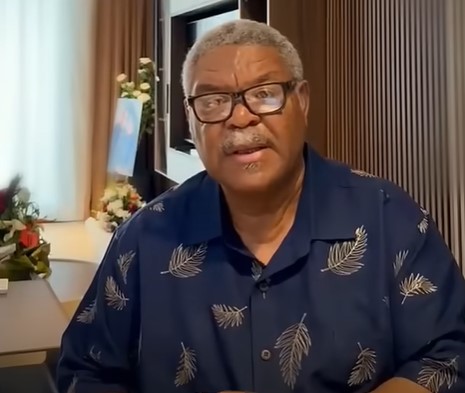
Founder of the Ministers’ Prayer Network (MPN), Rev. Mosy Madugba, has apologised to prominent Nigerian Christian leaders, Pastor Enoch Adeboye, Bishop David Oyedepo and Pastor William Kumuyi, as well as former President Olusegun Obasanjo, over his controversial allegation that the former president allocated oil wells to the clerics.
Madugba’s apology comes in a recorded video, days after video clips of his sermon circulated widely on social media, generating public reactions and responses from members and representatives of the affected churches.
In the controversial recording, the cleric alleged that Obasanjo, during his administration, allocated oil wells to the three prominent pastors. He further suggested that the alleged oil interests accounted for the establishment of universities, hospitals and other institutions associated with the religious leaders, as well as private jets owned by some of them.
However, he did not provide documentary evidence to substantiate the claims in the circulating sermon, which he now claims was taken out of context.
The allegation was received with shock in some quarters, especially by people who hold Madugba in high esteem and wondered what could have prompted an allegation of that nature from him.
It also prompted reactions from the affected ministries, with representatives questioning its credibility and demanding verifiable evidence.
A senior media aide to Pastor Kumuyi swiftly dismissed the allegation, describing it as ridiculous and insisting that the Deeper Christian Life Ministry leader remained committed to preaching the gospel and winning souls.
Similarly, Patrick Nkamiang, Director of Media at Living Faith Church Worldwide, challenged the claim, arguing that oil wells were not personal possessions of a sitting president to be distributed at will.
The church also maintained that Bishop Oyedepo had a policy against accepting gifts whose sources could not be legitimately established.
The Redeemed Christian Church of God, meanwhile, indicated that it expected Madugba to provide evidence before making a substantive response.
The controversy also attracted public debate about the responsibility of religious leaders to exercise caution when making statements concerning other ministers, particularly when such claims could affect their reputations and the credibility of Christian institutions.
But in a subsequent apology video circulated online, Madugba addressed the controversy and apologised to the named religious leaders and the former president.
The development has brought renewed attention to the importance of accuracy, accountability and responsible communication within Christian leadership.
While public discussions about the finances, investments and institutional activities of religious organisations remain legitimate, allegations involving identifiable individuals require credible evidence and responsible presentation.
The apology, therefore, provides an opportunity for reflection on the need for Christian leaders to uphold truth, fairness and mutual respect, even when addressing sensitive issues involving wealth, influence and leadership.