


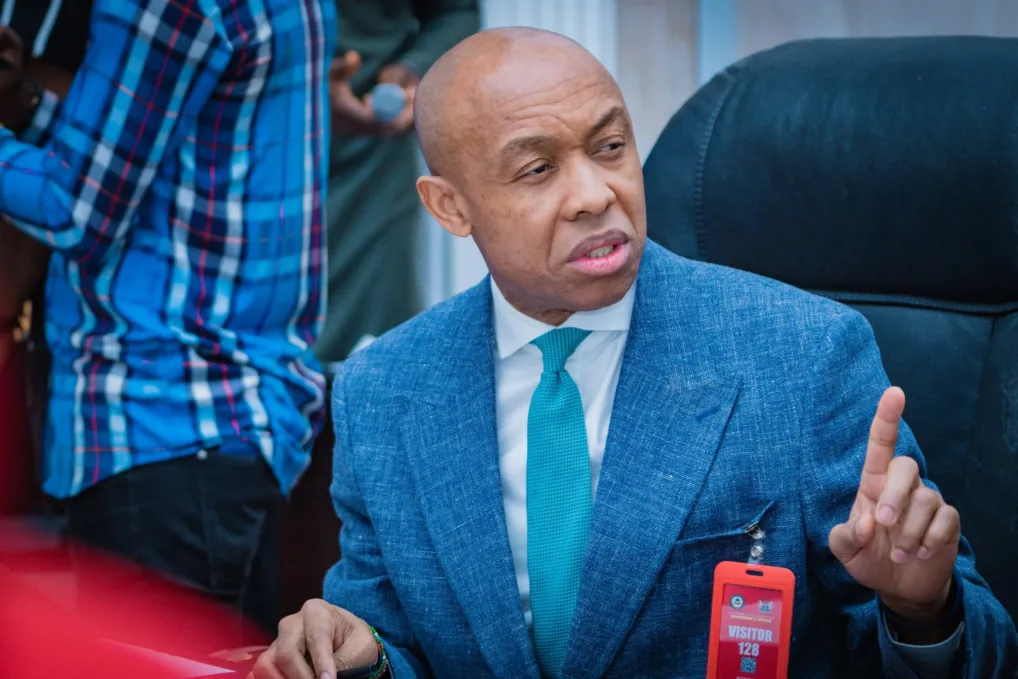
Former Chairman of the National Human Rights Commission, Prof. Chidi Odinklu, has once again raised the alarm over the planned passage of a new legislation that could hamper the freedom of Nigerians, including churches and other civil society groups.
In a social media video he posted recently, Odinkalu warned that if Nigerians, especially non-governmental organisations and religious bodies, failed to act and stop the move, their ability to operate freely would be greatly curtailed.
He said the NGO Regulation Bill would require civil society groups, and indeed all other organisations that raise one form of funds or another from the public, no matter how small or remotely located, to seek approval from the Federal Government before raising and spending such funds.
‘Most Totalitarian Bill Since 1999’
According to him, the Bill “has gone through the First and Second Reading and is currently in the Committee Stage. And later next month, the Committee on NGOs in the House of Representatives in Abuja will be holding a Public Hearing on the bill in Abuja.”
Odinkalu described the proposed legislature as totalitarian, saying “This is the most dangerous piece of legislation that has come for consideration in the National Assembly since the return to civil rule in 1999. It covers the activities of every entity and everybody, that is not government.
“And it affects churches, mosques, schools, universities, hospitals, everything, as well as humanitarian operations wherever they are taking place in the country.”
He explained further that the bill requires “All resources, all funds, everything that are collected or liable to be collected or made available to service communities or individuals in need in this country will be subject to Abuja.”
By implication, he said, before anyone can raise funds in the church or mosque, they must seek approval from Abuja and return the same funds there after collection. This is before they can be told what to do with them.
“And it is only Abuja that can help to carry out an audit on such funds,” he said. This also means that if this bill becomes law, opposition voices from civil society will be completely shut.
According to Odinkalu, “What government is proposing with this bill is that after it has been passed, everybody organising in Nigeria under any form – students, old students associations, reverend sisters in convent wherever they may be, Pastors, Imams, Alfas and everybody, you will have to apply to Abuja to register for you to operate.”
If approved to be registered, such civil society groups can only hold the licence for two years after which they are required to renew their licence for another two years.
And for any individual or group to operate without the licence, such person or persons will be liable to jail for 18 months or payment of a fine of N500,000.
Repeat of History
In 2018, the lawmakers had moved to pass this same bill but was forced to drop the idea by civil society groups which rose in unison to oppose it, insisting that it would endanger freedom of speech and the rights of the most vulnerable in Nigeria.
According to Global Rights Nigeria, a civil society group, the bill will hamper “our freedom to organize, advocate and hold power accountable.”
Describing the latest development as a repeat of history, the group added: “This is not about opposing transparency or accountability – NGOs already operate under strict regulations. The real danger lies in laws designed to silence those who speak truth to power and serve communities left behind.”