


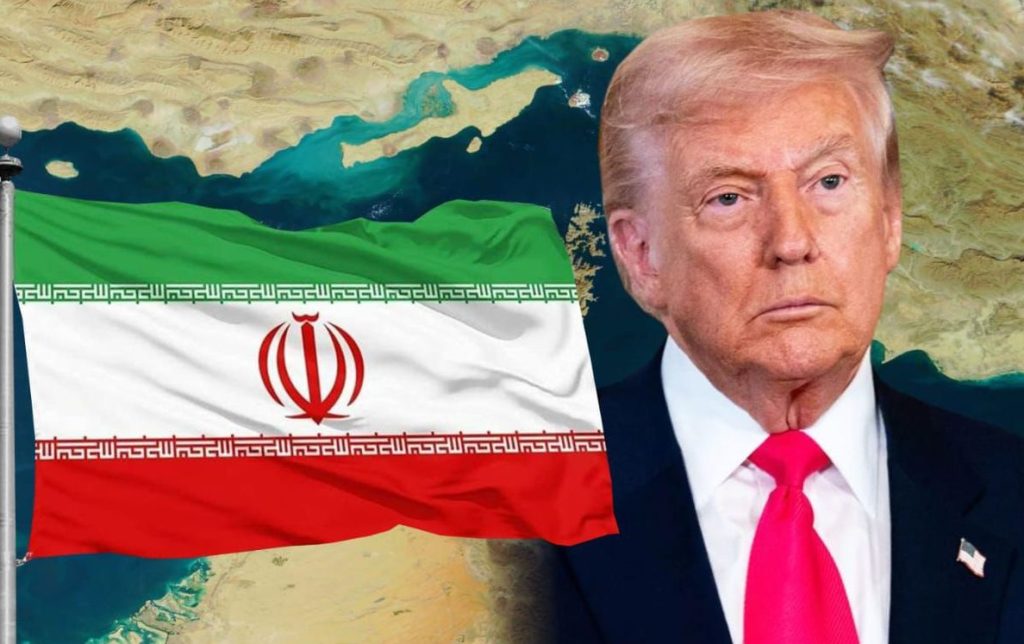
For students of biblical prophecy, the unfolding tensions in the Middle East raise questions that extend beyond conventional political analysis.
One of the most frequently discussed passages in this context is Ezekiel 38, which describes a future conflict involving Gog, Magog, Persia and several other nations.
Persia is the historical name associated with modern-day Iran, making the country’s growing military confrontation with Israel particularly significant to many prophecy watchers.
Ezekiel’s account describes a coalition of nations gathering against Israel in a confrontation that has generated centuries of theological discussion. The present geopolitical environment has prompted renewed interest in that prophecy.
Iran remains openly hostile towards Israel. Russia maintains significant strategic interests in the Middle East. Turkey occupies an important geographical and political position, while the Gulf nations are increasingly concerned about the possibility of regional instability.
These developments naturally invite comparisons with the biblical account. However, Kingdom Times recognises that identifying the precise fulfilment and timing of biblical prophecy requires humility.
Current political developments should not automatically be declared the definitive fulfilment of Ezekiel 38. Nevertheless, the convergence of military tensions, shifting alliances and growing international hostility towards Israel makes these passages particularly relevant to contemporary Christian discussion.
Jesus also issued a sobering warning in Matthew 24:22 concerning the severity of the last days, declaring that unless those days were shortened, no flesh would be saved.
In an era of advanced missile systems, nuclear capabilities, cyberwarfare and attacks capable of disrupting global infrastructure, that warning carries an unsettling contemporary resonance.
The world now possesses the technological capacity to inflict destruction on a scale that previous generations could scarcely have imagined.
The question is no longer simply whether another Middle East war is possible; it is whether the international community can prevent a regional confrontation from developing into something much larger.
The coming days deserve particular attention. The American political calendar, Trump’s military calculations, Israel’s security concerns, Iran’s retaliatory posture and the future of the Strait of Hormuz are all factors that could influence the direction of events.
The ceasefire remains vulnerable because the underlying disagreements have not been resolved. A single military incident, failed negotiation or miscalculation could change the situation dramatically.
For millions of people across Iran, Israel and the Gulf, the consequences would be measured not in diplomatic statements but in lives lost, families displaced and communities destroyed.
Call To Prayer
The Church must not respond to international crises with fear, hatred or sensationalism. Instead, believers should respond with discernment, compassion and persistent prayer.
Christians must to pray for wisdom and restraint among world leaders, particularly those making decisions that could determine the future of the Middle East. For the protection of innocent civilians in Iran, Israel and neighbouring Gulf countries.
Prayers for Christian communities and persecuted believers living under the shadow of regional conflict, especially in Iran. Prayers for diplomatic breakthroughs that could prevent another devastating military confrontation.
The Middle East stands at a dangerous crossroads. Whether the present calm becomes the beginning of a genuine diplomatic settlement or merely an interval before renewed fighting remains uncertain.
Kingdom Times will continue watching the developments through the lenses of international affairs, biblical prophecy and the Christian responsibility to pray for peace.