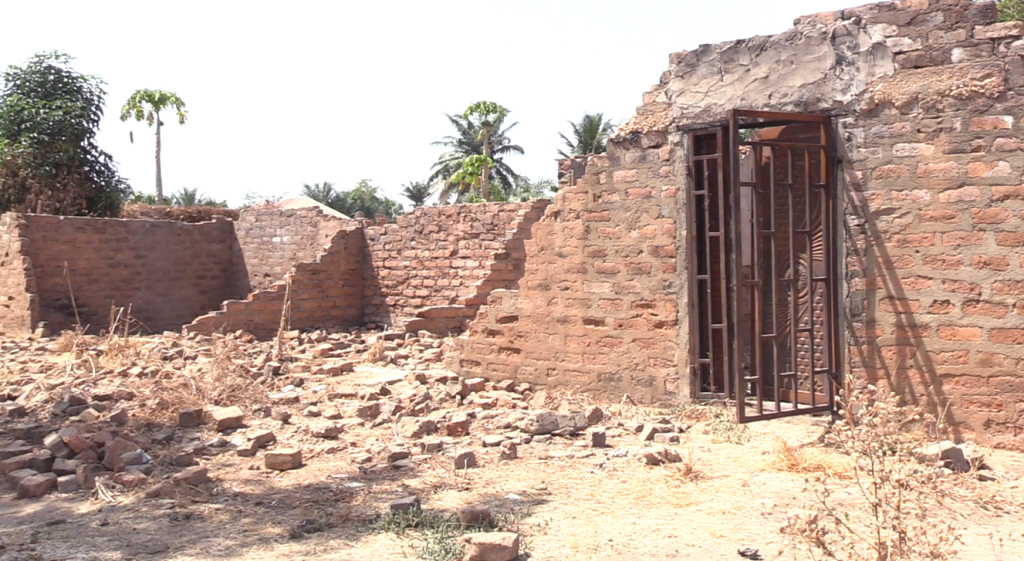
Nigeria is bleeding. In the last few months, headlines have once again been filled with stories we never want to get used to: schools attacked with pupils, students and teachers kidnapped or killed. Churches raided during worship, pastors kidnapped, villages burned, and Christian families displaced in the core North, Benue, Plateau, Kaduna, and across the Middle Belt and the South West. Children orphaned and voices silenced.
Against this backdrop of increased persecution – even if you say it’s not genocide – there is a temptation many of us (believers) feel, and that is to go quiet, lower our heads or pray in secret and hope the storm passes.
But this is exactly the moment the Church of Jesus Christ in Nigeria must become louder. The 1st Century Christians showed us the example. “And daily in the temple, and in every house, they ceased not to teach and preach Jesus Christ” (Acts 5:42), despite the persecution they faced.
Church: Silence Is Not Neutral
“Speak up for those who cannot speak for themselves… defend the rights of the poor and needy” (Proverbs 31:8-9). When injustice is normalized and bloodshed is explained away, silence becomes consent.
The world will fill the vacuum with its own narrative if the Church does not speak the truth with love and with facts. Speaking out is not politics; it is pastoral and biblical. Esther spoke before a king. John the Baptist spoke to power. Paul spoke before kings and appealed to Caesar.
Our Voice Must Be United And Loud
To church leaders and believers across denominations: this is not the time for divided pulpits. Our voice must be clear: prophetic, not partisan. We speak as ambassadors of Christ, not spokesmen for any party. Truthful, not hateful.
We condemn violence against any Nigerian — Christian, Muslim, or traditionalist — because every life matters to God. Let the sermons on Sunday name what is happening. Let the prayer meetings cry out for justice. Let the press statements of CAN, PFN, and other bodies be consistent and courageous.
Small Voices, A Loud Voice
“Making the voice of the Church loud” does not only mean big or small rallies in cities and towns. It’s about pastors teaching congregations how to pray for leaders, victims, and even persecutors.
Some may not have the courage and boldness of a Christian apologist, but believers can use their platforms, WhatsApp groups to share truth and correct misinformation. Just the youth refusing to be numb to suffering.
Why We Must Not Stop
Persecution in Nigeria is not new. From the early church in Acts to believers today, pressure has always tried to push the Church to the margins. But Acts 4:29 gives us the model: “Now, Lord, consider their threats and enable your servants to speak your word with great boldness.”
They didn’t ask God to remove the threat first. They asked for boldness in the middle of it. That is our prayer too. A loud Church is not a violent Church; it is a praying Church, a serving Church. A Church that builds schools, feeds the hungry, visits IDPs, and still says: “This killing must stop. Justice must roll down.”
To every believer reading this: Do not let fear overshadow your faith. To every pastor: Let your pulpit be a place of both comfort and conviction. Name the pain. Point to the Cross. Call the government to its constitutional duty to protect all lives.
Let those who are pretending not to know that the Nigerian house is on fire keep pretending, but the country needs to hear the Church right now. Not in anger, but in authority. Not in despair, but in determination.
God has placed the Church in Nigeria for such a time as this. Let us speak. Let us pray. Let us stand. And let our voice be loud enough for heaven to hear, and for Nigeria to listen.
Prayer Point
Father, give the Church in Nigeria boldness, wisdom, and unity. Comfort the grieving. Protect the vulnerable. Bring justice. And let Your name be glorified in our land.