


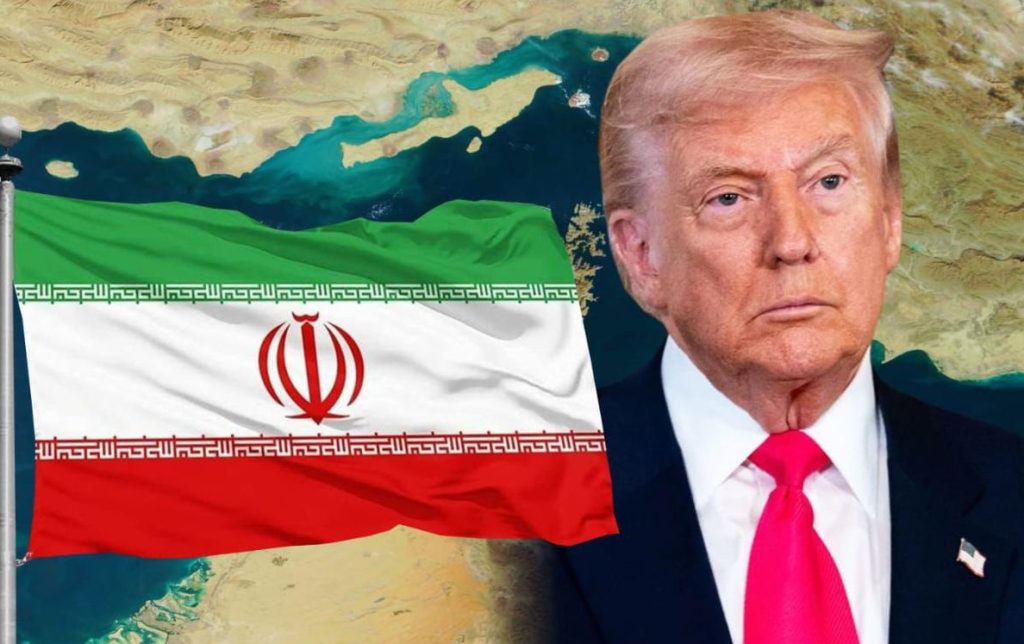
A fragile month-long ceasefire between the United States and Iran has collapsed into a fresh wave of military action. Overnight, U.S. forces launched a series of powerful retaliatory airstrikes across southern Iran.
This came hours after three commercial shipping tankers — including a Qatari liquefied natural gas (LNG) vessel — were attacked in the Strait of Hormuz.
In a rapid sequence of events, the Trump administration also revoked a temporary sanctions waiver that had allowed Iran to export crude oil, effectively dismantling the primary financial incentive of the June ceasefire.
The conflict began February 28 with joint U.S.-Israeli strikes on Iran. A 60-day ceasefire was reached in early April, but both sides have accused each other of violations, raising doubt whether the 60-day truce can evolve into a permanent peace agreement.
Strait of Hormuz Red Alert
The current escalation began when the British military’s United Kingdom Maritime Trade Operations (UKMTO) confirmed that three commercial tankers traveling near Oman and the United Arab Emirates were struck by unknown projectiles and drones within a 24-hour window.
One of the targeted vessels was identified by Doha as the Al-Rekayyat, a Qatari LNG tanker. The attack sparked a fire on board and prompted strong condemnation from Qatar, which immediately summoned Iran’s deputy ambassador and held Tehran “fully legally responsible.”
While Iranian state media stopped short of claiming direct responsibility, broadcasts noted that the vessels had ignored warnings from Iranian forces by using an alternate transit route proposed by Oman rather than Iran’s designated corridor. In response to the assaults, international maritime authorities officially raised the shipping threat level in the Strait to “severe”.