


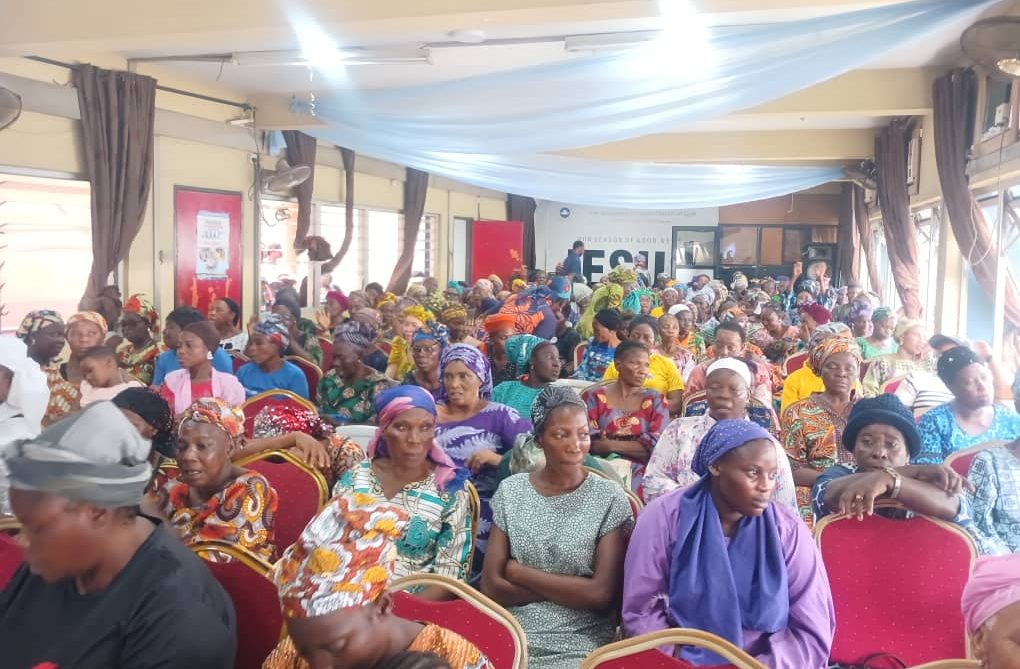
Widows and mothers have been encouraged to not give up hope but remain steadfast through prayer, exemplary leadership, personal empowerment and purposeful action in their homes and communities.
The call was made by the Founder of Blessing O Foundation International and Lagos Nigeria Widowspray Movement, Dr. Blessing Onwuachi, at the organisation’s annual women’s summit held in Lagos on Saturday, October 17, 2026.
The event, organised in conjunction with Womb of Intercession International Fellowship, had as its theme, “Mothers and Widows: A Call to Raise Gatekeepers in their State.”
It focused on mobilising women, particularly widows, to embrace intercession, discover their purpose and contribute to the spiritual and social transformation of their communities and the nation.
Onwuachi, who is based in the United States, said her commitment to supporting widows was inspired by the experiences of her mother, who faced discrimination and hardship following the death of her husband.
She recounted that her mother had been ostracised by members of her community for refusing to participate in traditional burial practices that conflicted with her Christian faith.
Despite the hostility, she remained steadfast and later became a source of encouragement to other women facing similar challenges.
Little Beginning, Big Dreams
She explained that her initial efforts to assist widows through welfare support gradually developed into what she described as a divine assignment to help them discover their purpose, strengthen their faith and understand their responsibility to society.
Her words, “God told me that a widow has a ministry and that her ministry is intercession. He said what I was doing was good, but I should go and teach them to fulfil their purpose,” she said.
According to Onwuachi, the movement had expanded beyond material assistance to include prayer, spiritual development, empowerment and practical support for widows and their children.
God Is Against Injustice
Citing Exodus 22:22–24, Onwuachi said the initiative was established to encourage widows to seek divine intervention against oppression and injustice.
She, however, enjoined women not to allow their circumstances to make them vulnerable to political exploitation, stressing that widowhood should not deprive them of their dignity, influence or voice in society.
“Widows have a voice. They are valuable, and are powerful. They should, therefore, not subject themselves to the hands of politicians who use them,” she said.
She equally challenged mothers and widows to invest in their personal development and empowerment, noting that equipping women with relevant skills and knowledge could improve their ability to support their families and secure better opportunities for their children.
The summit also provided an opportunity for beneficiaries to share their experiences of bereavement, financial hardship, family disputes and the struggle to raise children without their husbands.
Widowhood Experiences
One of the beneficiaries, Ronke Ademuyiwa, who said she lost her husband about 10 years ago, recounted the difficulties of caring for her five children while dealing with disputes over her late husband’s property.
She said disagreements arose between her and members of her late husband’s family, including a stepson she had helped raise, over a shop that served as an important source of income.
Ademuyiwa said her involvement in the movement had strengthened her prayer life and given her greater confidence in confronting difficult situations.
“Before I joined, I could hardly stand on my own to ask for what I needed. But through the teachings, I have learnt how to pray and trust God. Now, I know how to ask God for what I need,” she said.
Another beneficiary, Charity Ufodu, who has been a widow for nearly five years, described the experiences of many widows as distressing, particularly those struggling to pay rent, maintain their households and provide for their children.
Ufodu said her late husband had battled illness for 12 years before his death, placing considerable emotional and financial pressure on the family.
She expressed appreciation for the prayers, encouragement and welfare assistance she had received through the movement.
Ufodu also recounted an experience involving her daughter, who was preparing to give birth in the United States and had reportedly been scheduled for an operation.
According to her, after she sought Onwuachi’s prayers and followed her instruction to lay hands on her daughter, the delivery took place without the anticipated operation.
She commended the foundation for supporting women who travel from different parts of the country to participate in its programmes.
The women also appealed to governments at all levels to introduce and effectively implement policies that would improve the welfare of widows, mothers and children.
While calling for stronger social protection, they stressed the need for practical support for women facing economic hardship, alongside emotional encouragement and opportunities to rebuild their lives after bereavement.
The gathering underscored the importance of combining spiritual encouragement with practical empowerment, social protection and community support to help widows overcome adversity and contribute meaningfully to national development.