


Medical tourism continues to mount pressure on Nigeria’s health sector. But Kelina Hospital is making a strong case for advanced surgical care within the country.
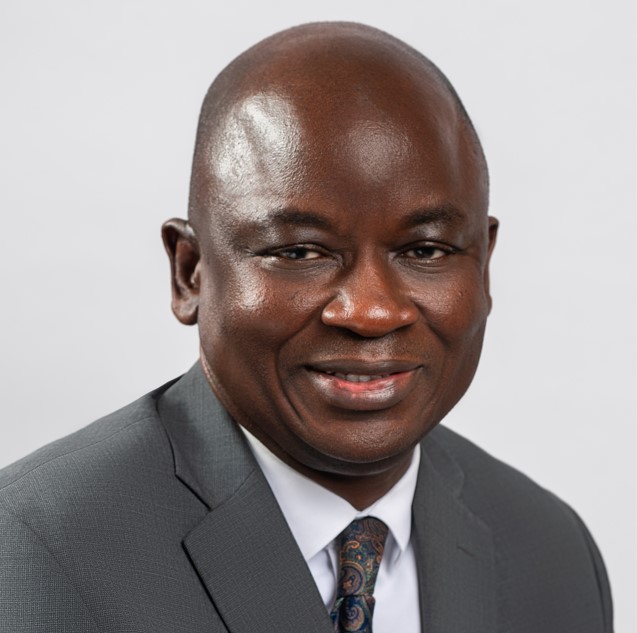
From pioneering minimally invasive procedures to introducing robotic-assisted surgery, the hospital has built a reputation around technological innovation, specialist expertise and an ambition to expand the boundaries of what Nigerian healthcare can achieve. At the centre of this story is Dr Celsus Ukelina Undie, the founder of Kelina Hospital.
In this exclusive conversation with Lydia Eke, he acknowledges the role of God in his journey and reflects on his success story, the vision behind Kelina Hospital, its achievements in robotic surgery, the growing capacity of Nigerian medical professionals and the challenges of making advanced healthcare more accessible.
KT: Your hospital has recorded significant milestones in surgical care. Looking back, what would you describe as the driving force behind this journey?
Undie: First, I give God the glory. I do not see this journey as a product of human effort alone. There have been challenges, difficult decisions and moments when the resources available did not appear sufficient for the vision.
However, my faith in God has been a major source of strength and direction. I believe that when God gives you a vision, you must be prepared to work towards it with commitment, discipline and perseverance.
Faith does not replace hard work; rather, it gives you the courage to keep working when circumstances are difficult.
KT: What inspired the establishment of Kelina Hospital?
Undie: Our vision at Kelina has always been to provide surgical care that meets international standards while making it accessible to Nigerians at home. We have remained committed to that vision.
KT: How has this vision translated into measurable achievements?
Undie: We have continued to invest in surgical technology, specialist training and improved systems of care. As of October 2026, Kelina Hospital has performed more than 7,000 surgeries since its inception.
We have also performed over 800 Holmium Laser Enucleation of the Prostate (HoLEP) procedures over eight years. We are pioneers of minimally invasive surgery in Nigeria.
Our pioneering milestones include laparoscopic radical prostatectomy, laser procedures for kidney stones and HoLEP. These achievements are important because they demonstrate that Nigerian hospitals can develop the expertise and infrastructure required to undertake complex surgical procedures.
KT: Robotic surgery appears to be one of your most significant recent achievements. What informed the decision to embrace this technology?
Undie: Medicine continues to evolve, and we cannot afford to remain behind. We have always believed in adopting technologies that can improve surgical precision and patient care.
Robotic-assisted surgery represents another important stage in the evolution of minimally invasive surgery.
We commenced our robotic radical prostatectomy programme in September 2025, primarily for patients with prostate cancer. Within the first year, we had performed more than 50 robotic radical prostatectomy procedures.
We are particularly proud that, since June 2026, we have had a completely Nigerian-based team performing these procedures every week. This is a significant achievement. It demonstrates that Nigerian specialists can acquire the expertise required to operate advanced surgical systems without having to depend entirely on visiting foreign surgeons.
KT: What does robotic surgery offer patients that conventional surgery may not?
Undie: Robotic surgery offers several advantages over open surgery, including better control of blood loss and a lower risk of blood transfusion.
It allows for greater precision, thereby reducing the likelihood of complications. Patients also benefit from shorter hospital stays, faster recovery and less pain.
Robotic surgery, in the hands of experts, is actually easier for both the surgeon and the patient. However, it is important to understand that robotic surgery is not automatically the best option for every patient or every condition. The appropriate surgical approach must depend on the patient’s diagnosis, clinical circumstances and the judgement of the treating specialists.
Our objective is not simply to acquire sophisticated equipment. It is to use technology responsibly to improve the quality of surgical care.
KT: What is the level of involvement of the Nigerian surgical team in this achievement?
Undie: It is extremely important. Technology alone does not perform surgery. It requires highly trained surgeons, anaesthetists, nurses, biomedical engineers and other professionals working together.
We are proud that our robotic surgery programme is now being handled by a Nigerian-based team. Beyond that, the fact that these procedures are performed weekly is an important statement about local capacity and the potential of our healthcare professionals.
Nigeria has talented medical practitioners. What is needed is the right environment, investment in training, appropriate infrastructure and institutional commitment to excellence.
KT: Nigeria continues to lose significant resources to medical tourism. How can institutions such as Kelina help reverse this trend?
Undie: Certainly, but it requires more than one hospital. Medical tourism is influenced by several factors, including public confidence, infrastructure, specialist availability, affordability and the consistency of healthcare delivery.
When patients travel abroad, they are often seeking confidence in the quality of treatment available to them. We must build that confidence locally.
At Kelina Hospital, our philosophy has been to invest in technologies and expertise that enable Nigerians to access advanced surgical procedures without necessarily travelling overseas. We believe that patients should not have to leave the country simply because a procedure is considered too sophisticated to be performed here.
KT: What are the biggest challenges confronting a private specialist hospital investing in advanced medical technology in Nigeria?
Undie: The challenges are considerable. Medical equipment is expensive, and much of it is imported. There are also issues surrounding foreign exchange, maintenance, technical support, electricity, training and the general cost of running a specialist healthcare institution.
However, we cannot allow these challenges to become permanent excuses for mediocrity. Investment in healthcare requires a long-term outlook. You must understand that the returns are not measured only in financial terms. They are also measured in lives improved, lives saved, skills developed and confidence restored in our healthcare system.
KT: What is your vision for Kelina Hospital over the next five years?
Undie: We want to consolidate our achievements, strengthen our specialist services, expand our capacity and continue developing Nigerian medical expertise. We also want to see more Nigerian professionals trained in advanced surgical procedures.
The future of healthcare in this country cannot depend solely on importing technology or inviting foreign experts. We must build sustainable local capacity. Our ambition is to continue demonstrating that advanced surgical care can be delivered successfully in Nigeria.
KT: What would you say to young Nigerian doctors and healthcare entrepreneurs who have ambitious ideas but are discouraged by the challenges in the country?
Undie: Have a vision, trust God, acquire the necessary knowledge and remain committed to excellence. Do not build your career around what you think is impossible in Nigeria. There will be difficulties, but challenges should inspire you to find solutions.
We must stop believing that everything good must happen only outside this country. Nigeria has the human resources and intellectual capacity to achieve much more in healthcare.
What we need is vision, commitment, investment and the determination to build institutions that can stand the test of time. For me, giving God the glory remains important. I recognise that every achievement comes with responsibility. Our duty is to keep improving and to ensure that the people who place their trust in us receive the best possible care.